
A taste of bengal at “Bhojohori Manna”
ভজহরি মান্না: বাঙালির পেট, মন আর সংস্কৃতির এক অমলিন উত্তরাধিকার
কলকাতার বুকে যদি কখনও হাঁটতে হাঁটতে হঠাৎ ভেসে আসে লুচি-আলুর দমের গন্ধ, কষা মাংসের আহ্বান কিংবা গরম ভাতের সঙ্গে পোস্তর মাখামাখি স্মৃতি, তাহলে বুঝবেন আপনি এসে পড়েছেন “ভজহরি মান্না”-র আশেপাশে।
নামের মধ্যেই যেন এক মিষ্টি সুর লুকিয়ে আছে। “মান্না” শুনলেই মনে পড়ে যায় বাংলা গানের সেই কিংবদন্তি কণ্ঠ, মহান শিল্পী মান্না দে। আর “ভজহরি” নামটা যেন একেবারে ঘরের মানুষ—পাড়ার সেই চিরচেনা কাকু, যিনি অতিথি এলেই বলতেন, “খেয়ে তবে যেও!”
ভজহরি মান্না আসলে শুধু একটি রেস্তোরাঁ নয়। এটি এক টুকরো বাংলা। এক প্লেট ভাতের সঙ্গে পরিবেশিত স্মৃতি। এক বাটি ডালের মধ্যে লুকিয়ে থাকা শৈশব।
আজকের দিনে যখন পিৎজা, বার্গার, নুডলস আর নানা বিদেশি খাবারের ভিড়ে বাঙালি কখনও কখনও নিজের মাছের ঝোলের ঠিকানাই ভুলতে বসেছে, তখন ভজহরি মান্না যেন বলছে—”আরে বাবা, এত তাড়া কিসের? আগে একটু ভাত খেয়ে নাও!”
মজার ব্যাপার হলো, বাঙালির জীবনে খাবার আর সংস্কৃতি এতটাই জড়িয়ে যে পেট ভরলে মনও গাইতে শুরু করে। হয়তো তাই মান্না দে-র গানের উত্তরাধিকার আর বাঙালি রান্নার ঐতিহ্য এখানে এক অদ্ভুত সুন্দর বন্ধনে জড়িয়ে গেছে।
একসময় দাদু-ঠাকুমারা বলতেন, “মাছে-ভাতে বাঙালি।” এখনকার প্রজন্ম কখনও কখনও বলে, “ফ্রাইড চিকেনেই চলবে!” কিন্তু সত্যি কথা বলতে কী, যতই বিদেশি খাবারের ছবি সোশ্যাল মিডিয়ায় পোস্ট হোক, রবিবার দুপুরে গরম ভাত, সর্ষে ইলিশ আর টক দইয়ের কাছে এখনও সব পরাজিত।
ভজহরি মান্না সেই হারিয়ে যেতে বসা স্বাদের পাহারাদার। তারা যেন প্রতিদিন ঘোষণা করছে—বাংলা এখনও বেঁচে আছে, বাঙালিয়ানা এখনও জীবন্ত।
আজকের ব্যস্ত শহুরে জীবনে মানুষ অনেক কিছু হারাচ্ছে—সময়, ধৈর্য, পারিবারিক আড্ডা। কিন্তু একটি টেবিলে একসঙ্গে বসে খাওয়ার আনন্দ এখনও হারিয়ে যায়নি। ভজহরি মান্নার মতো প্রতিষ্ঠানগুলো সেই আনন্দটুকু ধরে রাখার চেষ্টা করছে।
কখনও কখনও মনে হয়, বাঙালিরা হয়তো একদিন থাকবে না, কিন্তু তাদের গল্প থাকবে। তাদের গান থাকবে। তাদের খাবারের গন্ধ থাকবে। মান্না দে-র সুর থাকবে। আর সেই সুরের সঙ্গে মিলেমিশে থাকবে ভজহরি মান্নার রান্নাঘর থেকে ভেসে আসা গরম ভাতের ধোঁয়া।
বাঙালি মরতে জানে, কিন্তু নিজের সংস্কৃতিকে মরতে দিতে চায় না। তাই তো প্রজন্মের পর প্রজন্ম ধরে কেউ গান গেয়ে, কেউ বই লিখে, কেউ আবার রান্না করে বাঁচিয়ে রাখছে বাংলার ঐতিহ্য।
ভজহরি মান্না সেই দীর্ঘ যাত্রারই এক সুস্বাদু অধ্যায়—যেখানে এক চামচ ডালে মিশে আছে ইতিহাস, এক টুকরো মাছে লুকিয়ে আছে আবেগ, আর প্রতিটি পদে জেগে আছে বাংলা সংস্কৃতির অমর উত্তরাধিকার।
তাই পরের বার ভজহরি মান্নায় গেলে শুধু খেয়ে উঠবেন না। একটু কান পেতে শুনবেন। হয়তো দূরে কোথাও ভেসে আসছে—
“কফি হাউসের সেই আড্ডাটা আজ আর নেই…”
কিন্তু চিন্তার কিছু নেই। আড্ডা এখনও আছে। শুধু ঠিকানা বদলে কখনও কখনও চলে এসেছে এক প্লেট গরম ভাতের পাশে।
When it comes to authentic Bengali cuisine, few places capture the soul of Bengal quite like Bhojohori Manna. Rooted in tradition and filled with the warmth of home-cooked flavors, this iconic restaurant has become much more than a dining destination—it is a celebration of Bengali heritage, nostalgia, and cultural identity.
Named in honor of the legendary singer Manna Dey and inspired by the beloved Bengali song character “Bhojohori,” the restaurant beautifully blends culinary excellence with artistic legacy. Every corner of Bhojohori Manna reflects a deep respect for Bengal’s rich traditions, from its thoughtfully curated décor to the carefully preserved recipes that have been passed down through generations.
For Bengalis living in bustling cities or even far from their homeland, a meal at Bhojohori Manna is often an emotional journey. The aroma of freshly cooked rice, mustard-infused fish curries, slow-cooked mutton, fragrant lentils, and traditional sweets evokes memories of family gatherings, festive celebrations, and Sunday lunches at grandparents’ homes. It reminds diners that food is not merely nourishment; it is a powerful connection to history, family, and belonging.
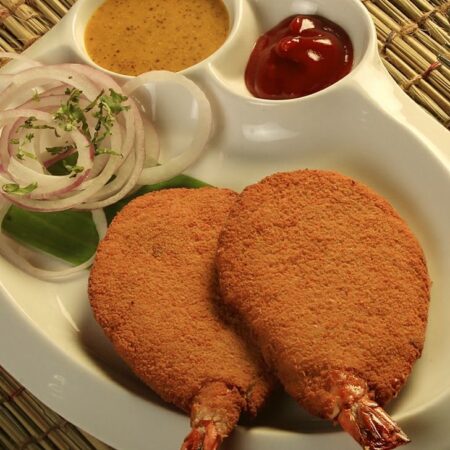
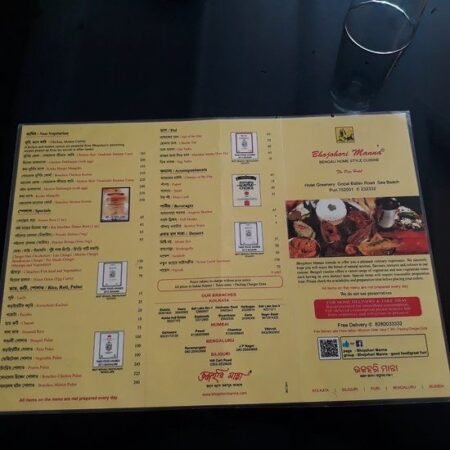
In an age where global fast-food chains and international cuisines dominate urban landscapes, establishments like Bhojohori Manna play a vital role in preserving regional culinary traditions. They serve as cultural custodians, ensuring that younger generations continue to experience and appreciate the distinctive flavors that define Bengali cuisine. Every dish tells a story—of rivers and farmlands, of festivals and family traditions, of a people whose identity has always been deeply intertwined with food.
The restaurant also reflects an important truth about Bengali culture: the love of food extends far beyond taste. For Bengalis, dining is an experience filled with conversation, laughter, music, storytelling, and shared memories. A meal becomes a social ritual where relationships are strengthened and traditions are passed on. Bhojohori Manna successfully recreates this spirit, offering guests not only exceptional food but also a sense of community and cultural continuity.
What makes the legacy of Bhojohori Manna particularly significant is its role in keeping Bengali culture alive in a rapidly changing world. While lifestyles evolve and modern influences reshape everyday habits, the restaurant stands as a reminder that cultural heritage can thrive when cherished and celebrated. It preserves recipes, cooking techniques, and dining traditions that might otherwise fade with time.
For many patrons, Bhojohori Manna represents a bridge between generations. Grandparents introduce grandchildren to dishes they enjoyed in their youth, parents share stories associated with family recipes, and younger diners discover the richness of their cultural roots. Through food, the restaurant creates a living connection between the past and the present.
Ultimately, Bhojohori Manna is more than a restaurant—it is a cultural institution. It embodies the spirit of Bengal through its flavors, hospitality, and unwavering commitment to authenticity. In every carefully prepared meal lies a tribute to Bengali history, music, literature, family values, and culinary artistry.
As long as places like Bhojohori Manna continue to thrive, the essence of Bengal will remain vibrant—not only in books, songs, and memories, but also in the comforting aroma of a traditional meal shared among family and friends. It serves as a delicious reminder that preserving culture is not always achieved through grand monuments or historical archives; sometimes, it is accomplished one lovingly prepared plate at a time.